Imagine if there were a medication that could make you happier, improve your relationships, strengthen your immune system, and help you sleep better - all without a prescription or side effects. What if I told you such a treatment exists, costs nothing, and has been hiding in plain sight all along? That treatment is gratitude.
In the past two decades, scientific research has transformed gratitude from a philosophical concept into a well-documented psychological phenomenon with measurable effects on brain structure and function. This research reveals that practicing gratitude doesn't just make you feel better emotionally - it literally changes the physical structure of your brain and improves virtually every aspect of your wellbeing.
What Science Says About Gratitude
Neuroimaging studies have shown that when people practice gratitude, their brains show increased activity in the prefrontal cortex, the area associated with reward processing, decision-making, and emotional regulation. Notably, gratitude activates the brain's reward center more strongly than material acquisition - meaning expressing thanks brings more neural satisfaction than receiving gifts.
Research from the University of California, Davis found that people who practiced daily gratitude showed 25% higher levels of happiness compared to a control group. This wasn't about having more to be grateful for - it was about actively focusing on the good things already present in their lives.
Perhaps most remarkably, studies have shown that consistent gratitude practice can increase gray matter in areas associated with emotional processing, stress regulation, and social cognition. In other words, gratitude quite literally makes your brain more effective at processing emotions and navigating social relationships.
The Ripple Effects on Mental Health
Gratitude's effects extend far beyond temporary mood boosts. People who regularly practice gratitude show lower levels of depression, anxiety, and stress. They report higher levels of positive emotions, life satisfaction, and sense of purpose. The practice has even been shown to reduce symptoms in people with clinical depression and anxiety disorders when used as part of a comprehensive treatment approach.
One particularly powerful finding comes from research on resilience - the ability to bounce back from adversity. Grateful people demonstrate significantly greater resilience following traumatic events, suggesting that gratitude provides a protective buffer against life's inevitable challenges.
How Gratitude Transforms Relationships
Gratitude is perhaps most powerful in its effects on our relationships. Expressing appreciation strengthens social bonds, increases relationship satisfaction, and promotes prosocial behavior. When we express gratitude to others, we not only make them feel valued but also inspire them to act more generously toward us and others.
Research by psychologist John Gottman found that couples who regularly expressed appreciation for each other were significantly more likely to stay together long-term. In fact, expressing gratitude was a stronger predictor of relationship success than any other variable studied.
Practical Gratitude Practices
The Daily Gratitude List
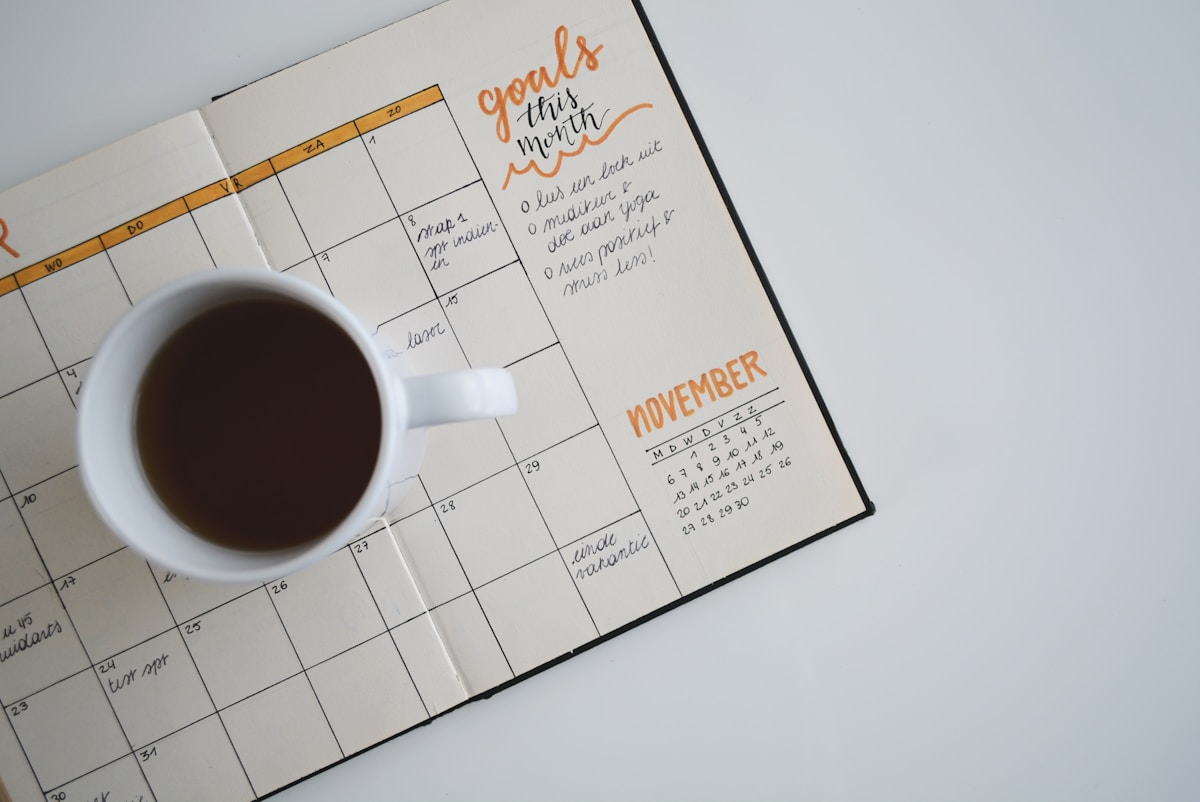
This simple practice involves writing down three to five things you're grateful for each day. The key is consistency - doing it daily is far more effective than occasional longer sessions. Many people find it helpful to do this at the same time each day, perhaps morning or evening.
Gratitude Letters
Write a letter to someone who's positively impacted your life but whom you've never properly thanked. Describe specifically what they did and how it affected you. If possible, deliver the letter in person. This practice has been shown to produce significant increases in happiness that can last for weeks.
Mental Gratitude Scanning
Before falling asleep each night, take a few minutes to mentally scan through your day, identifying moments of gratitude. This practice not only promotes positive thinking but also tends to improve sleep quality.
Gratitude in Difficult Times
Perhaps the most challenging - and most transformative - gratitude practice is finding appreciation even in difficult circumstances. This isn't about denying pain or pretending everything is fine. Rather, it's about recognizing that challenges often bring growth, connection, or lessons we might otherwise have missed.
Start Your Gratitude Practice
Use our Gratitude Journal with daily prompts to build a consistent practice.
Open Gratitude Journal →Making Gratitude a Way of Life
The most profound shifts come not from occasional gratitude practice but from cultivating an attitude of gratitude as a baseline state. This doesn't mean walking around with a fake smile or denying life's genuine difficulties. It means training your brain to automatically notice and appreciate the good, even amid challenges.
Start small. Begin each morning by identifying one thing you appreciate - maybe the warmth of your bed, the taste of your coffee, the fact that you can see another day. Gradually expand this awareness throughout the day until gratitude becomes your brain's default mode.
You might be surprised to discover that the happiest, most fulfilled people aren't those with the most advantages but those who appreciate what they have. In a world that constantly tells us we need more, gratitude offers a radical alternative: everything we need is already here, if only we know how to see it.