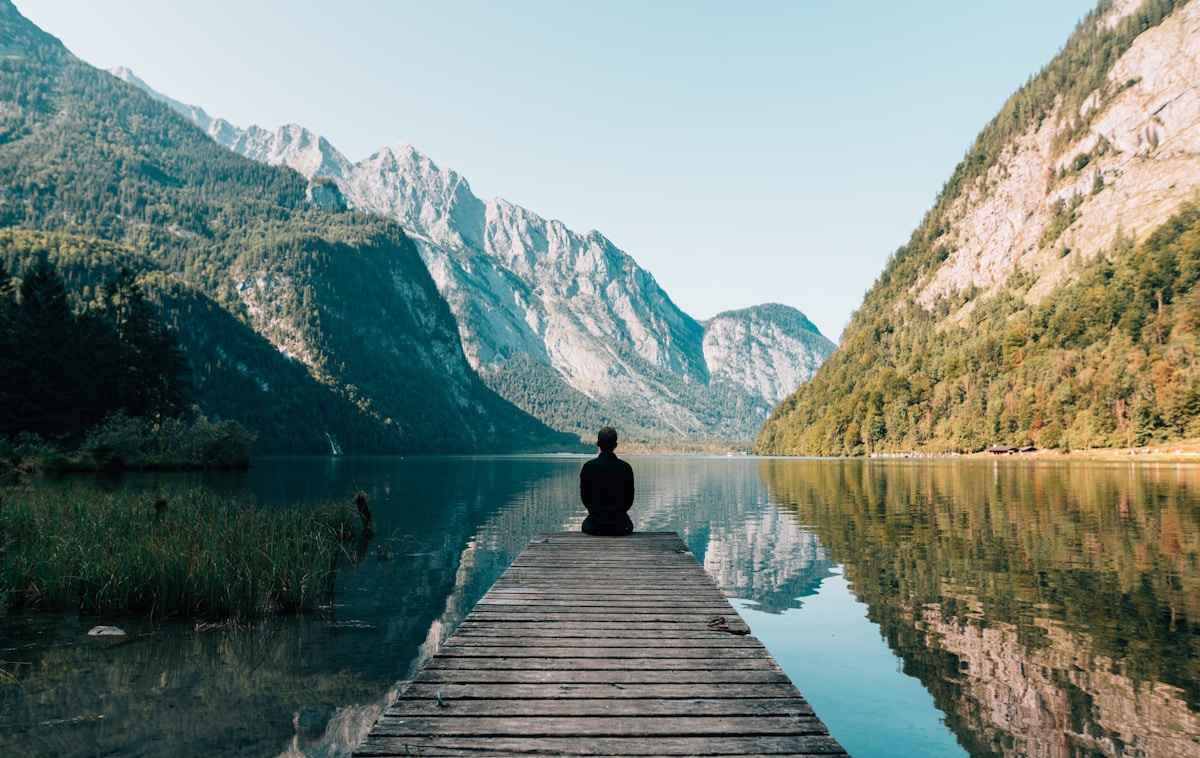
The idea of sitting still in silence for any extended period can feel overwhelming - even impossible - when your mind never seems to stop churning. Yet meditation, the oldest and most studied relaxation technique in human history, has never been about achieving mental emptiness. It's about developing a different relationship with your thoughts.
This seven-day program is designed specifically for beginners. Each day builds on the previous, gradually developing the skills and habits that transform meditation from a challenging chore into a meaningful practice. You don't need any special equipment, extensive time commitment, or spiritual beliefs - just a willingness to try.
Day 1: Understanding What Meditation Is (And Isn't)
Before you begin, let's address a common misconception. Meditation is not about stopping thoughts. Trying to stop thoughts is like trying to stop your heart from beating - not only is it impossible, the effort itself creates more mental activity.
Today's Practice: Mindful Breathing (5 minutes)
Sit comfortably with your spine straight. Close your eyes or soften your gaze. Breathe naturally and simply observe your breath - the sensation of air moving in, the pause, the release. When thoughts arise (and they will), notice them without judgment and return to observing your breath.
Day 2: Dealing With Wandering Thoughts
Yesterday you may have been frustrated by how often your mind wandered. This is not only normal - it's the actual work of meditation. Each time you notice your mind has wandered and gently return to the breath, you're strengthening your capacity for awareness and focus.
Today's Practice: Counting Breaths (7 minutes)
As you breathe, count each exhale. Count from 1 to 10, then start again. When you realize you've lost count, simply start over at 1. This gives your mind a specific job, making it easier to notice when attention has drifted.
Day 3: Learning to Pause
Today we introduce the concept of the "pause" - a moment of stillness between stimulation and response. In meditation, this pause happens between thoughts. In daily life, it can be a powerful tool for emotional regulation.
Today's Practice: Extended Observation (8 minutes)
Continue your breathing practice, but now also notice the space between your inhale and exhale - the brief pause. Can you extend that pause slightly? This teaches us that we don't have to react immediately to every thought or feeling.
Track Your Progress
Use our Meditation Tracker to log your sessions and build a consistent practice.
Open Meditation Tracker →Day 4: Body Awareness
Meditation isn't just about the mind - it's about the whole mind-body system. Today we expand our awareness to include physical sensations.
Today's Practice: Body Scan (10 minutes)
Starting at the top of your head, slowly move your attention down through your body - noticing sensations without trying to change them. Skip areas that feel uncomfortable, linger where you notice pleasant sensations. This practice develops whole-body awareness.
Day 5: Embracing Difficult Emotions
Many people avoid meditation because it can bring up uncomfortable feelings. But avoiding feelings doesn't make them go away - it just gives them power over us. Meditation teaches us that we can experience difficult emotions without being overwhelmed by them.
Today's Practice: Open Awareness (10 minutes)
Rather than focusing on the breath, allow your attention to be open to whatever arises - thoughts, feelings, sensations. If something uncomfortable comes up, don't push it away. Simply notice it with a sense of "this is what's here now" and allow it to be.
Day 6: Compassion Practice
Today's practice introduces loving-kindness meditation, which studies show is particularly effective for reducing self-criticism and increasing positive emotions.
Today's Practice: Self-Compassion (10 minutes)
Silently repeat phrases like "May I be happy, may I be healthy, may I be at peace." Start with yourself, then extend to others. If self-compassion feels difficult, start with someone you naturally feel warm toward.
Day 7: Bringing It Together
Congratulations on completing your first week of meditation! Today we combine all the elements you've learned into a integrated practice.
Today's Practice: Complete Meditation (15 minutes)
Begin with mindful breathing, move into a body scan, allow open awareness to arise, and if comfortable, include some loving-kindness phrases. There's no "right" way - simply being present with whatever arises.
Beyond the First Week
After seven days, you should have a basic understanding of meditation techniques and hopefully have noticed some subtle shifts in how you relate to your thoughts and feelings. The key to long-term benefits is consistency - making meditation a regular part of your life, even when (especially when) it feels challenging.
Consider linking meditation to an existing habit - perhaps you meditate after your morning shower, or before bed. This makes it easier to maintain the practice over time. And remember: any amount of meditation is better than none. Even five minutes of genuine presence has value.
Common Beginner Questions
What if I fall asleep? Sleepiness during meditation is common and often indicates you needed the rest. Try meditating when you feel most alert, or sit somewhere slightly uncomfortable to stay engaged.
When will I see results? Some people notice benefits immediately; for others, it takes weeks. Research suggests eight weeks is when significant brain changes become measurable. Trust the process.
Should I use guided meditations? Absolutely. Guided meditations are excellent for beginners, providing structure and distraction from the inner critic. Many people use guided meditations for years without ever feeling "ready" for silent practice - and that's perfectly fine.