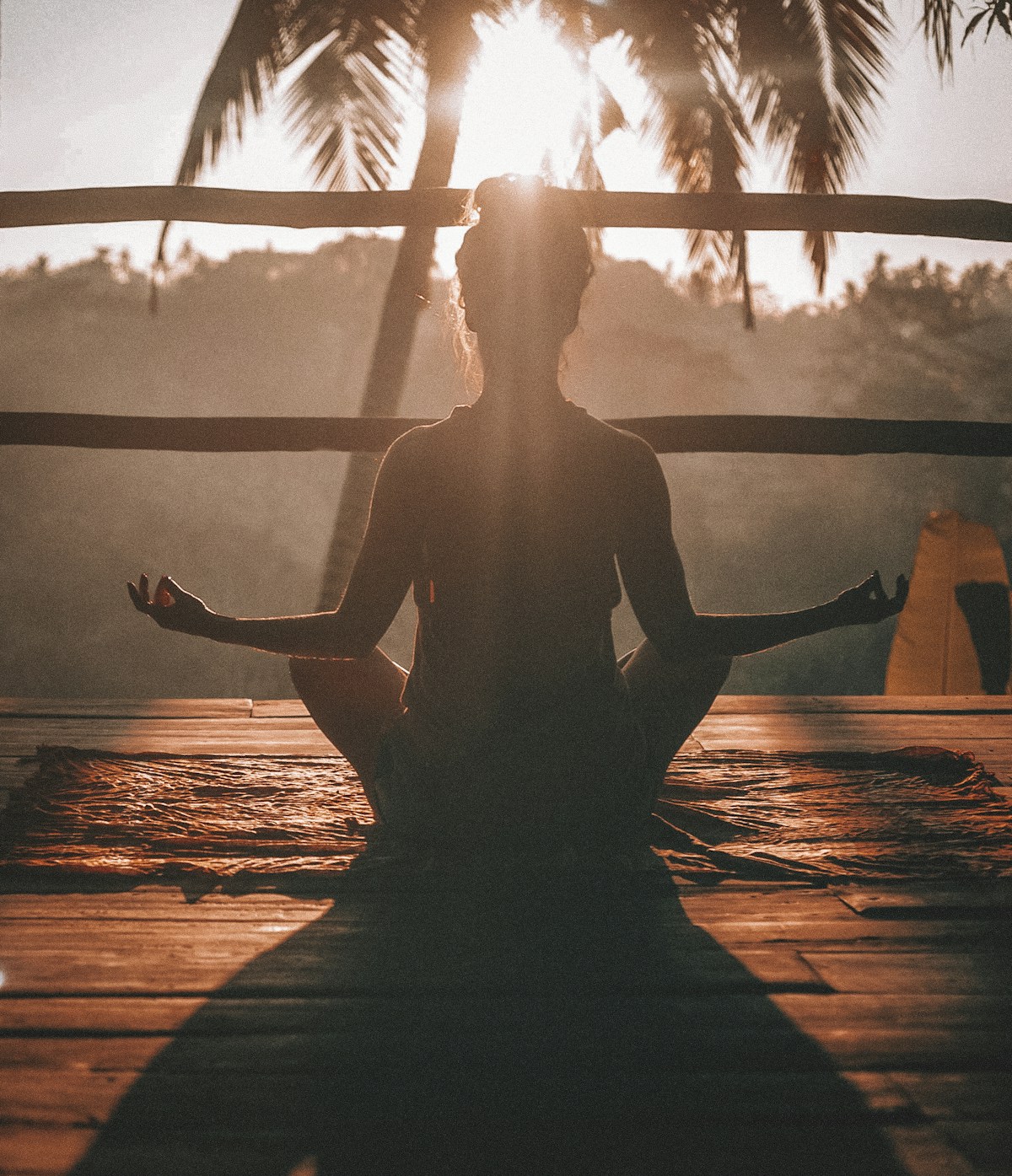
Mindfulness meditation has transformed from an ancient Buddhist practice into a mainstream wellness tool backed by decades of scientific research. If you've been curious about starting a meditation practice but didn't know where to begin, this comprehensive guide will walk you through everything you need to know to begin your mindfulness journey.
What Is Mindfulness Meditation?
At its core, mindfulness meditation is the practice of paying attention to the present moment with intention and without judgment. Unlike other forms of meditation that may involve clearing your mind entirely or focusing on specific mantras, mindfulness invites you to observe your thoughts, feelings, and sensations as they arise, without trying to change or suppress them.
This practice stems from the Buddhist concept of "sati," which translates roughly to "memory" or "presence of mind." Modern research has adopted this ancient wisdom, studying its effects on the brain and body, and finding remarkable benefits for mental health, stress reduction, and overall wellbeing.
The Science Behind Mindfulness
Perhaps the most compelling reason to practice mindfulness is the overwhelming scientific evidence supporting its benefits. Research conducted at institutions like Harvard Medical School, UCLA, and Stanford has consistently demonstrated that regular mindfulness practice can:
- Reduce stress hormones - Mindfulness decreases cortisol levels and activates the body's relaxation response
- Change brain structure - Studies show that eight weeks of mindfulness practice can increase gray matter in areas associated with learning, memory, and emotional regulation
- Improve focus and attention - Regular practitioners show enhanced ability to sustain attention and switch between tasks
- Lower blood pressure - Mindfulness has been shown to significantly reduce both systolic and diastolic blood pressure
- Decrease anxiety and depression - Mindfulness-based therapies are now considered evidence-based treatments for these conditions
Getting Started: Your First Meditation
Starting a meditation practice doesn't require any special equipment, expensive subscriptions, or years of training. Here's a simple practice you can begin with today:
Step 1: Find Your Space
Choose a quiet, comfortable spot where you won't be disturbed. This could be a corner of your bedroom, a spot in your living room, or even a park bench during your lunch break. The key is consistency - try to return to the same place each time you meditate.
Step 2: Set a Timer
For your first few sessions, start with just five minutes. As you become more comfortable with the practice, you can gradually increase to ten, fifteen, or even twenty minutes. Most experts recommend aiming for at least twenty minutes per session for meaningful benefits, but any amount of time is better than none.
Step 3: Get Comfortable
Sit in a position that feels stable but not rigid. You don't need to sit cross-legged on the floor - a chair works perfectly well. The important thing is that your spine is straight but relaxed, allowing your breath to flow naturally. Rest your hands on your thighs or in your lap.
Step 4: Focus on Your Breath
Close your eyes or soften your gaze, and bring your attention to your breath. Notice the sensation of air moving in through your nose, filling your lungs, and then releasing. You don't need to control your breathing - just observe it as it naturally occurs.
Step 5: Handle Wandering Thoughts
Here's where most beginners feel frustrated. The moment you sit down to meditate, your mind seems determined to think about everything except the present moment. This is completely normal and expected. When you notice your attention has drifted, simply acknowledge the thought without judgment and gently return your focus to your breath. This process of noticing and returning is actually the essence of mindfulness meditation.
Try It Now: Breathing Timer
Use our guided breathing timer to help you stay focused during your first meditation sessions.
Open Breathing Timer →Common Misconceptions About Mindfulness
Many people approach mindfulness with unrealistic expectations or misunderstandings that can derail their practice before it even begins.
"I need to empty my mind completely"
This is perhaps the most common misconception. Mindfulness isn't about stopping thoughts - it's about changing your relationship with them. You'll never achieve a completely empty mind, and that's okay. The goal is to observe thoughts as they arise without getting carried away by them.
"I'm not good at meditating because I can't focus"
Focusing is a skill that develops with practice. Every time you notice your mind has wandered and bring it back to your breath, you're strengthening your ability to focus. A wandering mind isn't a sign of failure - it's an opportunity to practice the skill of returning.
"I don't have time to meditate"
This objection is understandable in our busy world, but it misses the point. Meditation isn't about adding more to your schedule - it's about improving the quality of everything you do. Even five minutes of mindfulness practice can enhance your productivity, relationships, and wellbeing throughout the day.
Building a Sustainable Practice
The difference between people who meditate occasionally and those who make it a transformative part of their lives often comes down to how they approach building the habit.
Start small but be consistent. It's better to meditate for five minutes every day than for thirty minutes once a week. Consistency creates neural pathways that make mindfulness your natural state rather than a special occasion.
Link meditation to existing habits. Many practitioners find success by attaching their meditation practice to an existing routine - meditating first thing in the morning after brushing teeth, or for a few minutes before bed.
Use guided meditations initially. If sitting in silence feels uncomfortable, there's no shame in using guided meditations. Apps and online resources can provide helpful structure as you develop your practice.
Be patient with yourself. Like any skill, mindfulness meditation takes time to develop. Don't expect immediate results or beat yourself up when you "fail" to meditate. Every moment of awareness is progress, even if it's just for a few seconds.
When to Seek Additional Support
While mindfulness meditation is generally safe and beneficial for most people, it's important to recognize when you might need additional support. If you're experiencing severe anxiety, depression, trauma, or other mental health concerns, mindfulness practice alone may not be sufficient. Consider combining meditation with therapy or counseling for a more comprehensive approach to your wellbeing.
Additionally, some people find that certain meditation techniques can initially increase anxiety rather than reduce it. If this happens to you, try shorter sessions, focus on physical sensations rather than thoughts, or consult with a meditation teacher who can offer personalized guidance.
Your Mindfulness Journey Begins Now
The beautiful thing about mindfulness meditation is that it's available to everyone, everywhere, at any time. You don't need expensive equipment, special clothing, or years of training. All you need is a willingness to be present with yourself, exactly as you are in this moment.
Whether you're seeking relief from stress, looking to improve your focus, or simply curious about what this ancient practice has to offer, know that every moment you spend being mindful is a gift to yourself. The path of mindfulness isn't about reaching some destination - it's about discovering the peace and clarity that have been with you all along.
Begin where you are. Start with one breath. The rest will follow.